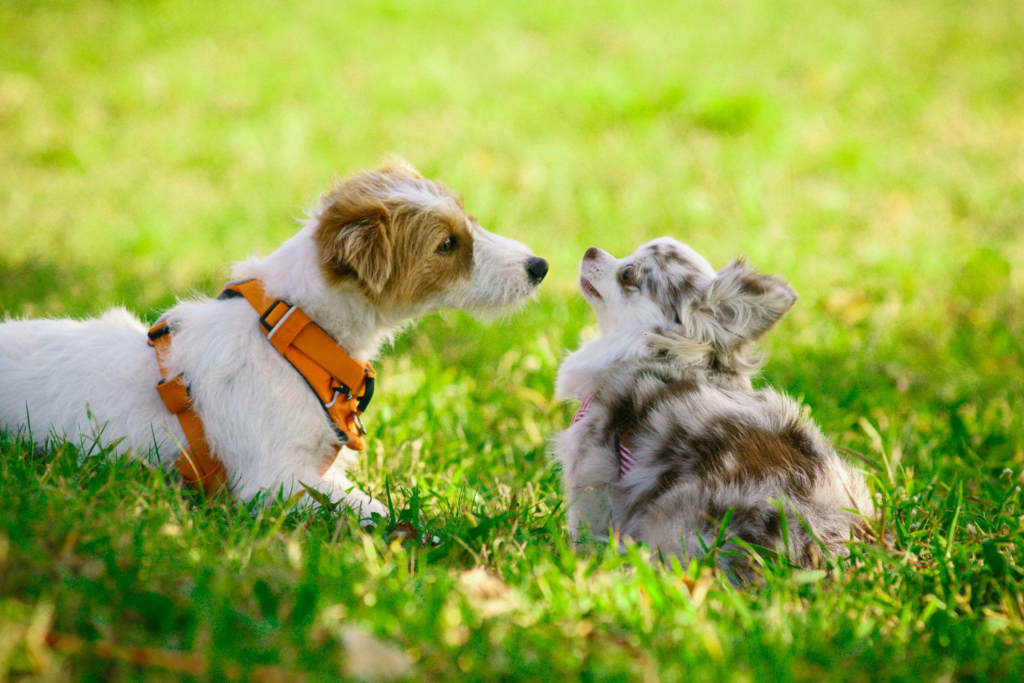
Dog social behavior is rarely random; it is shaped by environment, timing, supervision, and how interactions are managed in shared spaces. In boarding settings, even small differences in handling can determine whether dogs build positive associations or experience tension during group time. This makes structured oversight one of the most important factors in safe group housing.
Reducing risk of dog-to-dog conflict has become a noticeable outcome of modern facilities offering dog boarding in Indio, where multiple unfamiliar dogs are introduced into shared environments daily. Here’s how they prevent escalation before it begins.
Behavioral Screening Before Group Interaction
One of the most effective ways to prevent conflict is pre-entry behavioral assessment. Dogs are not universally social, and their comfort levels vary based on age, breed tendencies, past experiences, and stress response.
According to research, early behavioral evaluation and structured social grouping significantly reduce the likelihood of aggressive incidents in group settings.
By placing dogs in groups based on energy level and temperament rather than size alone, facilities can reduce friction and encourage more stable interactions.
Supervision That Prevents Escalation
Constant supervision is one of the strongest protective factors against conflict. Staff trained in canine body language can identify early warning signs such as stiff posture, prolonged staring, or avoidance behavior.
Research highlights that early intervention in canine social tension significantly reduces the probability of escalation into aggressive encounters.
Structured Playgroup Management
Not all group play is beneficial. Poorly structured environments can increase stress and overstimulation. Controlled group sizes and rotation schedules are widely used strategies in professional boarding facilities.
Structured introductions and managed play sessions help dogs learn appropriate social cues while minimizing conflict risk.
This approach is particularly important where dogs may be staying for extended periods and require stable social routines rather than chaotic group mixing.
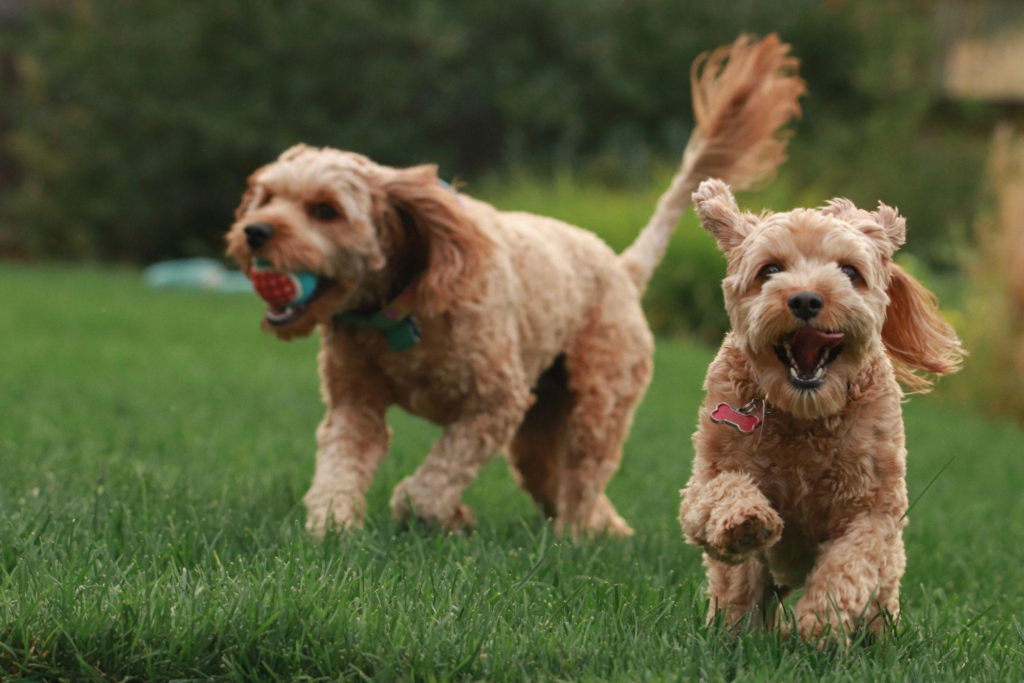
A safe boarding experience doesn’t rely on chance; it’s built through structure, supervision, and staff trained to read canine behavior before tension ever escalates. When dogs are grouped thoughtfully, monitored continuously, and given both space and routine, the likelihood of conflict drops significantly, creating calmer and more predictable social environments.
At The Grand Paw, these principles are part of daily operations. Our dog boarding and daycare facilities are built around structured playgroups separated by size and temperament, climate-controlled indoor playrooms, and multiple outdoor yards that allow controlled movement rather than overcrowded interaction.
Combined with trained staff supervision, daily wellness monitoring, and carefully managed social play criteria, this environment helps ensure dogs remain safe, relaxed, and appropriately matched throughout their stay.
Looking for a safer, more structured approach to pet care in Indio, CA? Contact us today and give your dog a supervised, well-managed environment where social interaction stays positive and conflict-free.