

A dog’s behavior is shaped less by single experiences and more by repetition. The environments they return to, the routines they follow, and the social interactions they repeat all play a role in forming long-term emotional and behavioral patterns. That makes daycare more than a convenience; it becomes a developmental influence over time.
Understanding the impact of daycare attendance on dog behavior is especially important for pet parents exploring doggy day care; here’s how the consistency of care can shape how a dog interacts with people and other animals throughout life.
Social Behavior: Learning Through Repetition
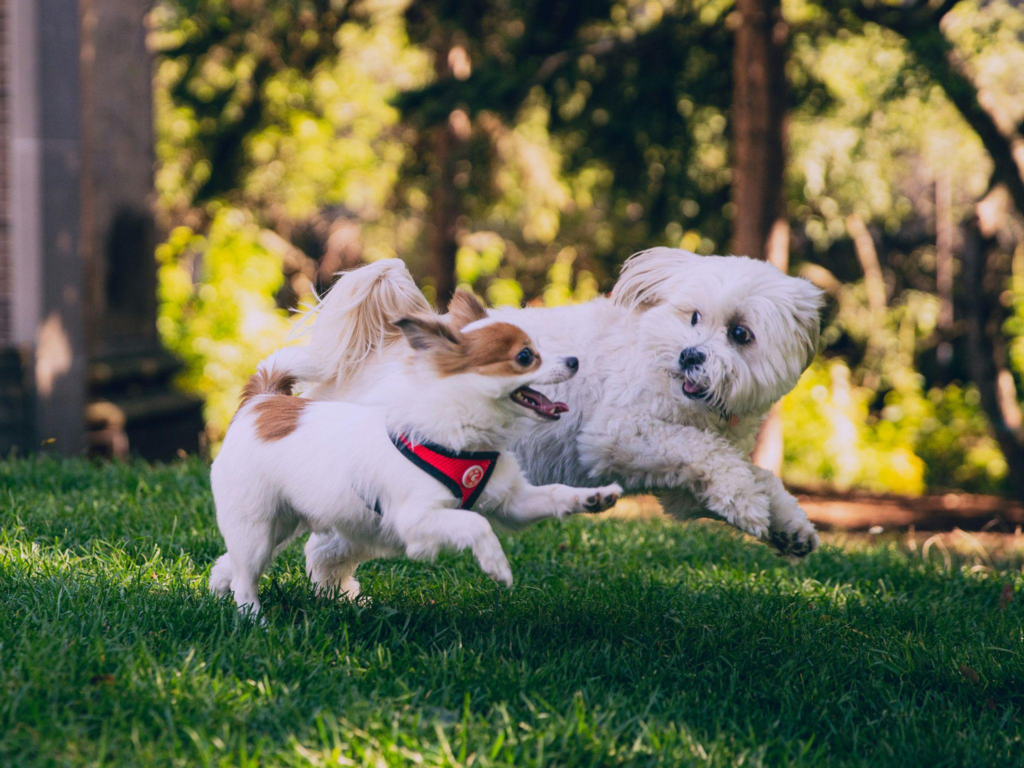
Dogs are social learners. Repeated exposure to structured playgroups helps them understand boundaries, communication signals, and appropriate play styles.
Research shows that dogs exposed to consistent social environments demonstrate improved social competence and reduced fear-based aggression over time.
Regular attendance in dog daycares can help dogs become more comfortable in group settings and less reactive in unfamiliar environments.
Emotional Regulation and Stress Response
Frequent daycare attendance can also influence emotional stability. Predictable routines and safe social exposure help dogs develop stronger coping mechanisms in stimulating environments.
According to studies, structured environments that include consistent social interaction and mental stimulation can reduce anxiety-related behaviors such as excessive barking, separation stress, and destructive chewing.
Obedience and Routine Reinforcement
Daycare environments naturally reinforce basic behavioral expectations such as waiting, recall response, and impulse control. Over time, these repeated cues can strengthen obedience outside the daycare setting.
Due to this practice, dogs exposed to structured routines show improved adaptability and learning responsiveness in training contexts.
Long-Term Behavioral Balance
While dog daycare is not a substitute for training, consistent attendance can complement at-home reinforcement. Early and ongoing social exposure can play a key role in preventing long-term behavioral issues.
Dogs attending daycare regularly often display better leash manners, reduced fear responses, and improved confidence in unfamiliar settings.
Even after the final stay, what truly defines a dog’s experience is what they consistently learn in environments built on structure, safety, and enrichment. Long-term behavior is shaped through repetition; calm introductions, predictable routines, and positive social exposure all help dogs become more confident, balanced, and socially aware over time.
At The Grand Paw, this consistency is built into every stay and dog daycare in Indio. With supervised playgroups divided by temperament, climate-controlled indoor playrooms, structured routines, and staff trained in daily wellness monitoring, dogs receive ongoing reinforcement of positive behaviors in a safe, controlled setting.
Ready to invest in a more balanced, confident, and socially well-adjusted dog? Contact us today and explore how The Grand Paw can provide structured daycare experiences in Indio, CA, designed for long-term behavioral wellness.